Hydroseeding Services for Erosion Control & Revegetation
Hydroseeding provides an efficient way to establish vegetation across disturbed soil, slopes, and large project sites while supporting erosion control and long-term stabilization. Our hydroseeding services are built around site conditions, seed requirements, soil characteristics, and project specifications for construction, energy, and reclamation work.
What We Do
Hydroseeding for Erosion Control & Vegetation Establishment
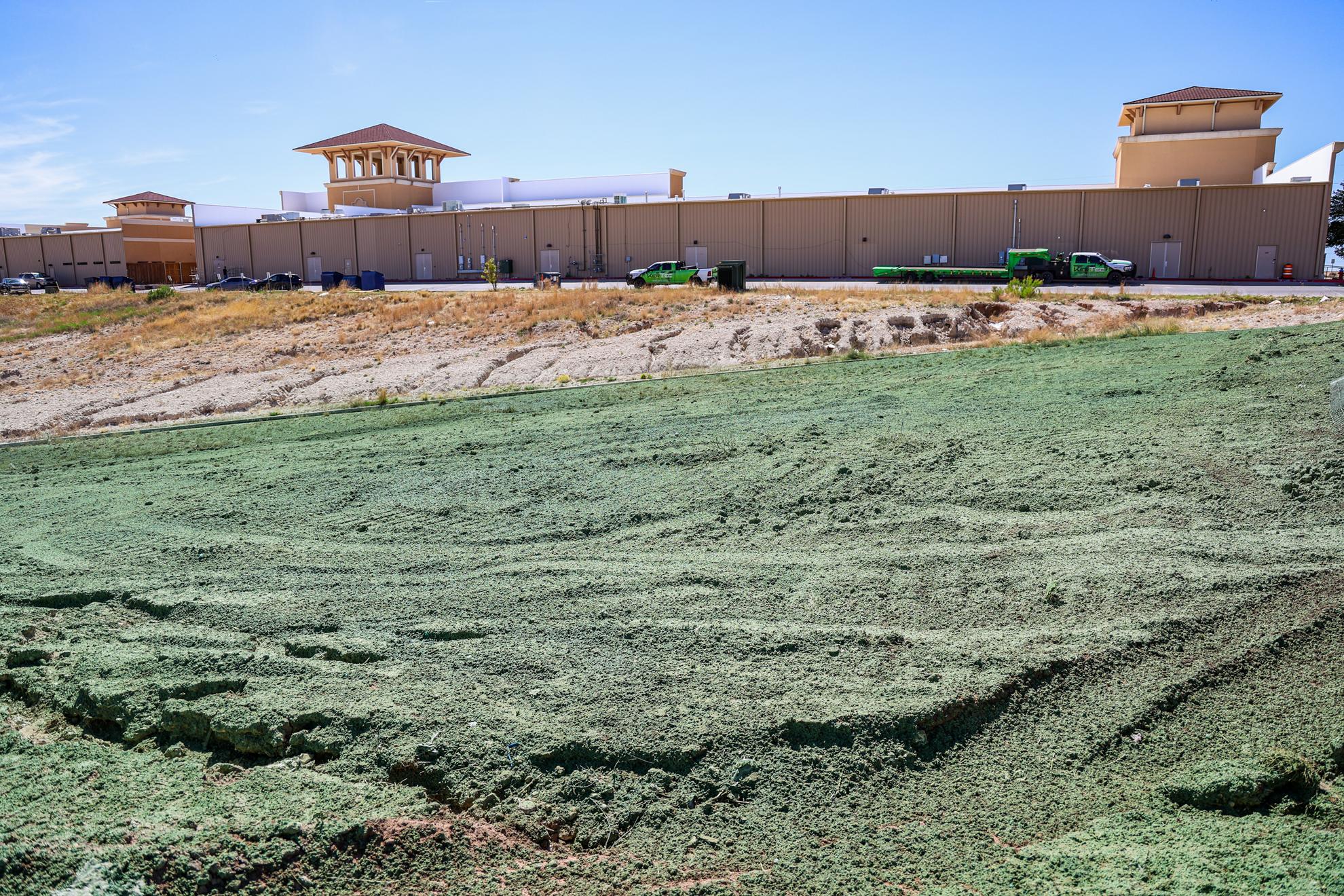
Hydroseeding is well suited for large disturbed areas where fast, even seed application is needed across exposed soil, slopes, embankments, and difficult terrain. A water-based slurry can combine seed with mulch, tackifier, fertilizer, and other soil amendments to help protect the surface and create better conditions for vegetation to establish.
As grasses and other plants develop, their root systems help stabilize the soil and reduce the risk of ongoing erosion. Hydroseeding can also support reclamation and final site stabilization after construction by restoring ground cover across areas that have been cleared, graded, or otherwise disturbed.
What KerTec Does
Site-Specific Hydroseed Mixes & Application Methods
Hydroseeding works best when the seed mix and application materials are selected for the specific conditions of the site. Soil type, climate, slope, drainage, intended land use, and project specifications all affect which seed, mulch, tackifier, fertilizer, or soil amendments should be used.
Native and regionally appropriate seed mixes can be selected to improve establishment and support long-term vegetation goals. Mulch and tackifiers can help protect exposed soil, hold moisture near the seed, and keep applied materials in place while germination begins.
Site preparation also plays an important role. Compacted soil, poor drainage, low fertility, or heavily eroded areas may need additional work before hydroseeding to create better seed-to-soil contact and improve the chances of successful vegetation establishment.
What We Do
Hydroseeding for Construction, Energy & Reclamation Projects
Large construction and energy sites often leave behind broad areas of exposed or disturbed soil that need to be stabilized quickly and efficiently. Hydroseeding can be used across graded areas, slopes, access roads, rights-of-way, solar sites, wind projects, oil and gas infrastructure, and other large-scale properties where conventional seeding methods may be impractical.
Applications can be tailored to the project’s soil conditions, terrain, climate, seed requirements, and long-term land use. This makes hydroseeding a practical option for post-construction stabilization, native vegetation establishment, erosion control, and reclamation work across a wide range of commercial and industrial sites.
Our Approach, Backed By Science
Our Hydroseeding Process
A successful hydroseeding project starts with understanding the site before any material is applied. Soil condition, slope, drainage, climate, erosion risk, acreage, and project specifications all help determine the right approach.
01
Site Assessment
The first step is reviewing the soil, terrain, drainage, erosion concerns, existing vegetation, and overall project requirements. These conditions help determine what preparation and materials will be needed.
02
Seed & Material Selection
Seed mixes, mulch, tackifier, fertilizer, and soil amendments are selected based on the site, climate, intended vegetation, and long-term land use. Native or regionally appropriate seed may be used when the project calls for it.
03
Hydroseed Application
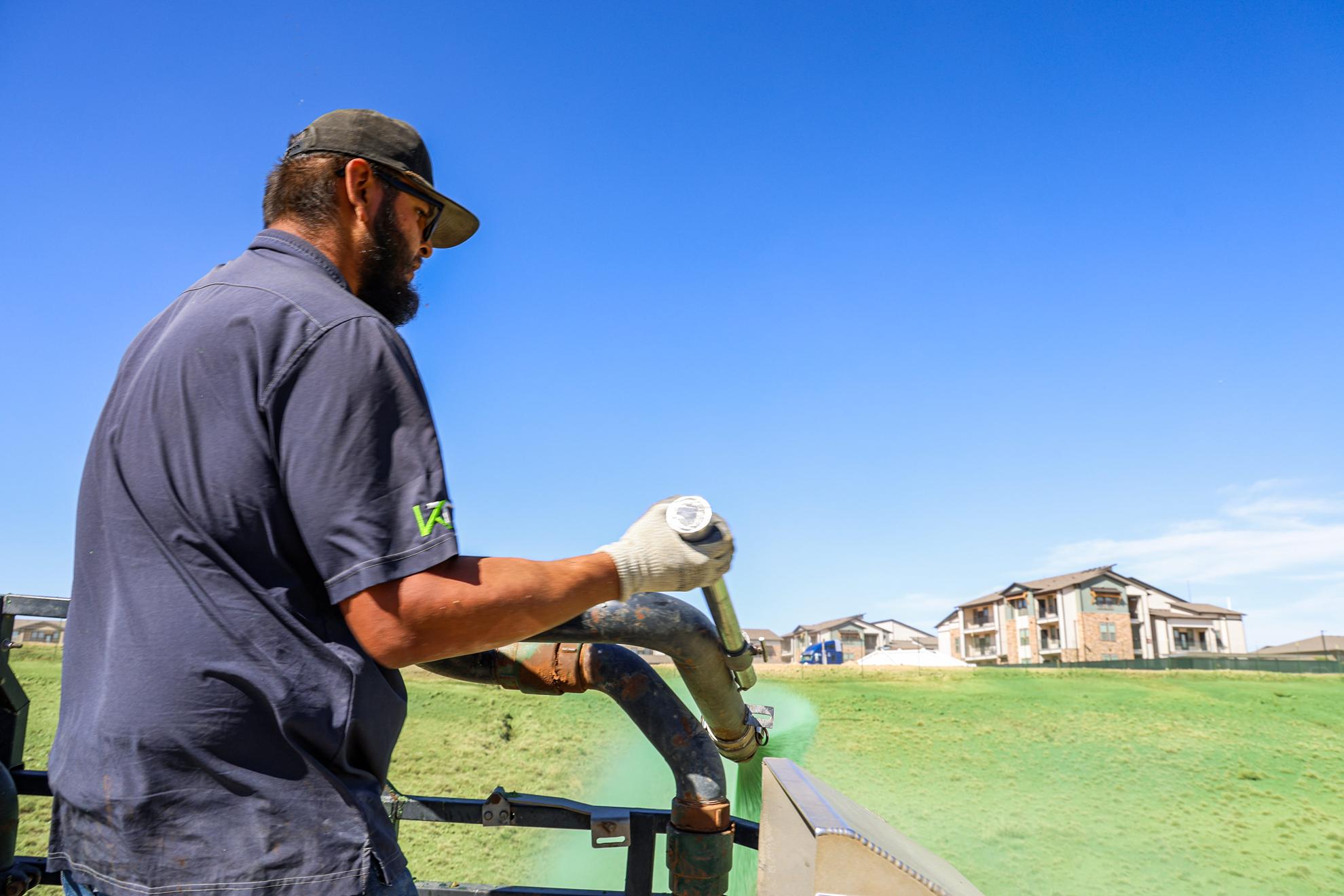
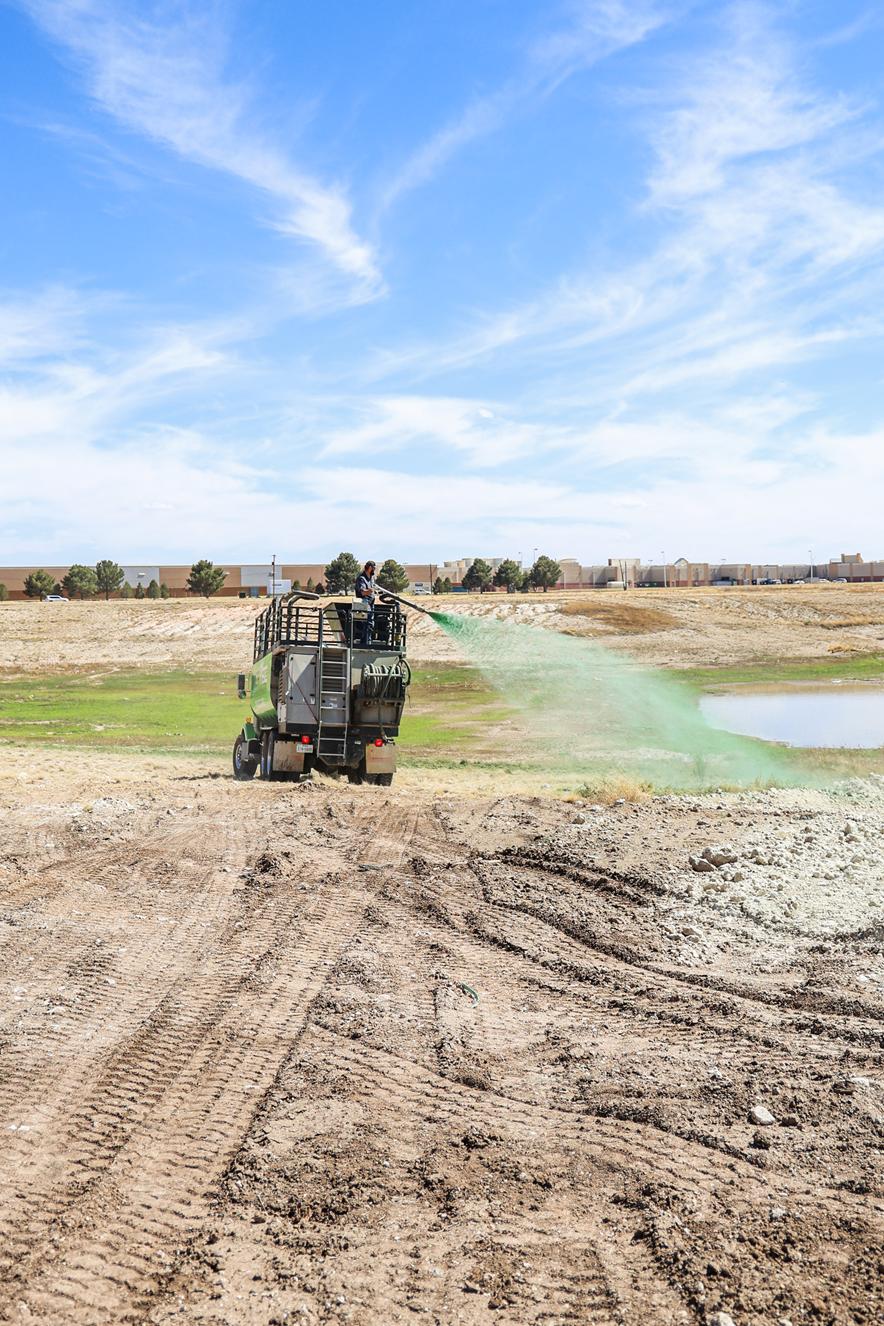
Once the site is ready, the selected materials are combined into a hydraulic slurry and applied evenly across the treatment area. This allows large or difficult-to-access areas to be seeded efficiently.
04
Monitoring
After application, vegetation growth, ground cover, erosion, and problem areas can be monitored as the site establishes. Follow-up treatment may be recommended where coverage is thin or site conditions change.
What KerTec Does
Hydroseeding vs. Hydromulching
Hydroseeding and hydromulching are closely related, but they are not exactly the same. Hydroseeding typically applies seed in a water-based slurry that may also contain mulch, tackifier, fertilizer, and other amendments designed to support germination and vegetation establishment.
Hydromulching is focused more heavily on protecting the soil surface with mulch and binding agents. It can help reduce surface erosion, retain moisture, and protect exposed ground while vegetation is being established.
Depending on the project, the two methods may be used together as part of a broader erosion control and revegetation plan.
Get a Vegetation Management Plan for Your Property
The KerTec Difference
Why contractors work with KerTec.
Responsive to changing site conditions
Erosion control adjusted as grading progresses and site conditions shift throughout the project.
Inspection-ready documentation
Clear SWPPP records that hold up to regulatory inspection and reduce the risk of violations.
Coordinated with your schedule
KerTec works around active grading and construction crews instead of creating bottlenecks.
Stabilization through final closeout
Support from initial erosion control through final seeding, so the site is fully stabilized at project completion.