
Revegetation Services for Disturbed Land & Large-Scale Projects
Restore disturbed land with revegetation plans built around the soil, climate, terrain, and long-term goals of the site. Our services support vegetation establishment, native seeding, erosion reduction, and final stabilization for construction, energy, reclamation, and other large-scale projects.
What We Do
Revegetation Plans Built Around the Site
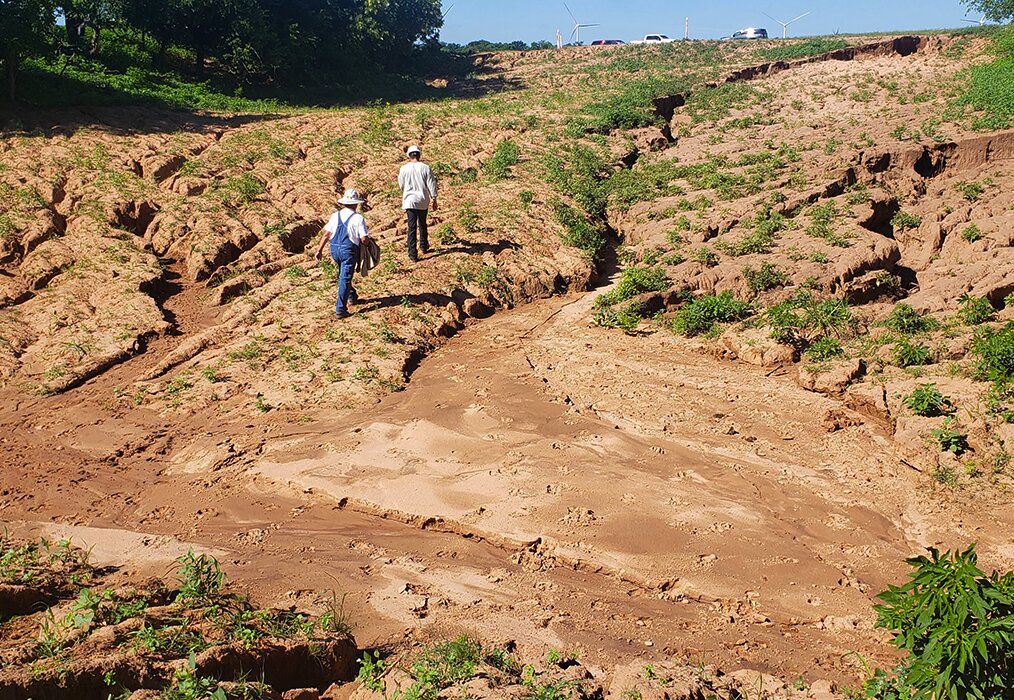
Successful revegetation depends on matching the plan to the actual conditions of the land. Soil type, compaction, drainage, slope, climate, existing vegetation, and the level of disturbance all affect how well new plant growth will establish and hold over time.
Site & Soil Assessment
Before selecting seed or application methods, the site should be reviewed for soil condition, erosion, drainage, terrain, existing plant cover, and any factors that could limit establishment. This helps determine what preparation may be needed before seeding begins.
Native Seed & Plant Selection
Seed mixes should be chosen based on the region, climate, soil, moisture availability, project specifications, and long-term land use. Native and regionally appropriate species can help improve establishment and create vegetation that is better suited to the conditions of the site.
Revegetation for Construction, Energy & Reclamation Projects
Large-scale projects often leave behind disturbed soil that needs to be stabilized and returned to productive use. Revegetation can be used across construction sites, utility-scale solar and wind developments, oil and gas infrastructure, rights-of-way, and reclamation areas where long-term vegetation establishment is part of the project requirements.
Construction Site Revegetation
After grading, excavation, or other site work, revegetation helps restore ground cover and support final stabilization. Seed selection and application methods can be matched to the soil, terrain, drainage, and long-term use of the property.
Solar & Wind Energy Projects
Energy developments often require revegetation across access roads, installation areas, slopes, and other disturbed acreage. Establishing the right plant cover can help stabilize soil while supporting ongoing site access and vegetation management.
Oil & Gas and Rights-of-Way
Pipeline corridors, well sites, and rights-of-way often need native seeding and revegetation after construction. The goal is to restore plant cover, reduce erosion risk, and return disturbed areas to a stable condition.
Federal & Large-Scale Reclamation
Federal and large-acreage projects may involve detailed environmental specifications and long-term restoration goals. Revegetation plans can be built around those requirements while accounting for site conditions, native plant communities, and future land management needs.
What's the Difference?
Revegetation vs. Reclamation
Revegetation and reclamation are closely related, but they are not the same thing. Revegetation focuses specifically on reestablishing plant cover on disturbed or damaged land, while reclamation is the broader process of returning a site to a stable, usable, or ecologically functional condition.
A reclamation project may include grading, erosion control, drainage improvements, soil stabilization, revegetation, and long-term vegetation management. Revegetation is often one of the most important parts of that larger process because established plant cover helps protect soil, reduce erosion, and support long-term site recovery.
Our Revegetation Process
Site Preparation, Seeding & Vegetation Establishment
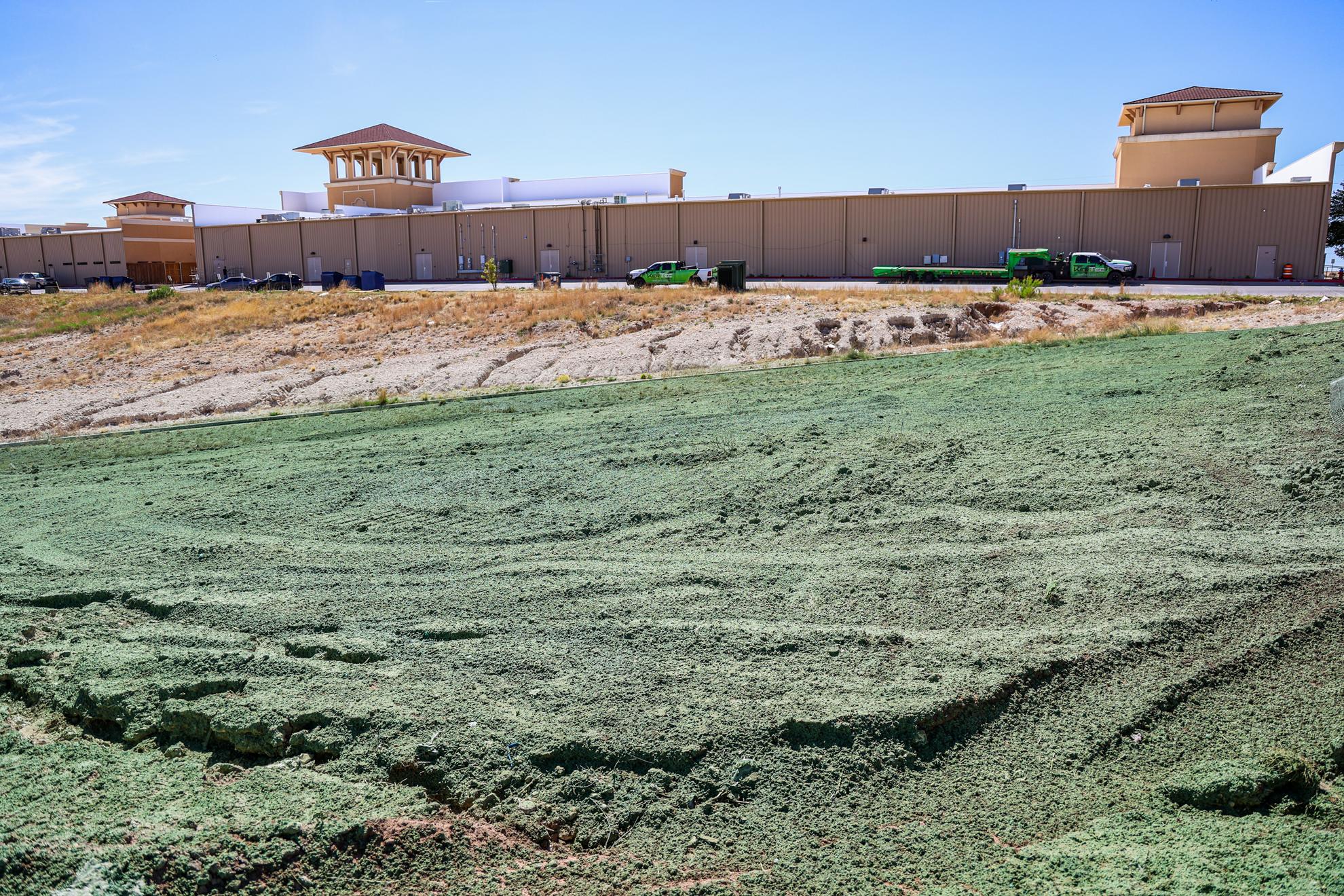
Revegetation works best when the site is properly prepared before seed is applied. Compacted soil, poor drainage, erosion, or limited seed-to-soil contact can all reduce establishment and make it harder for vegetation to take hold.
01
Preparing Disturbed Soil
Site preparation may include grading, loosening compacted soil, improving surface conditions, managing topsoil, repairing erosion, or adding soil amendments where needed. The goal is to create better conditions for seed germination and root development.
02
Seeding & Application Methods
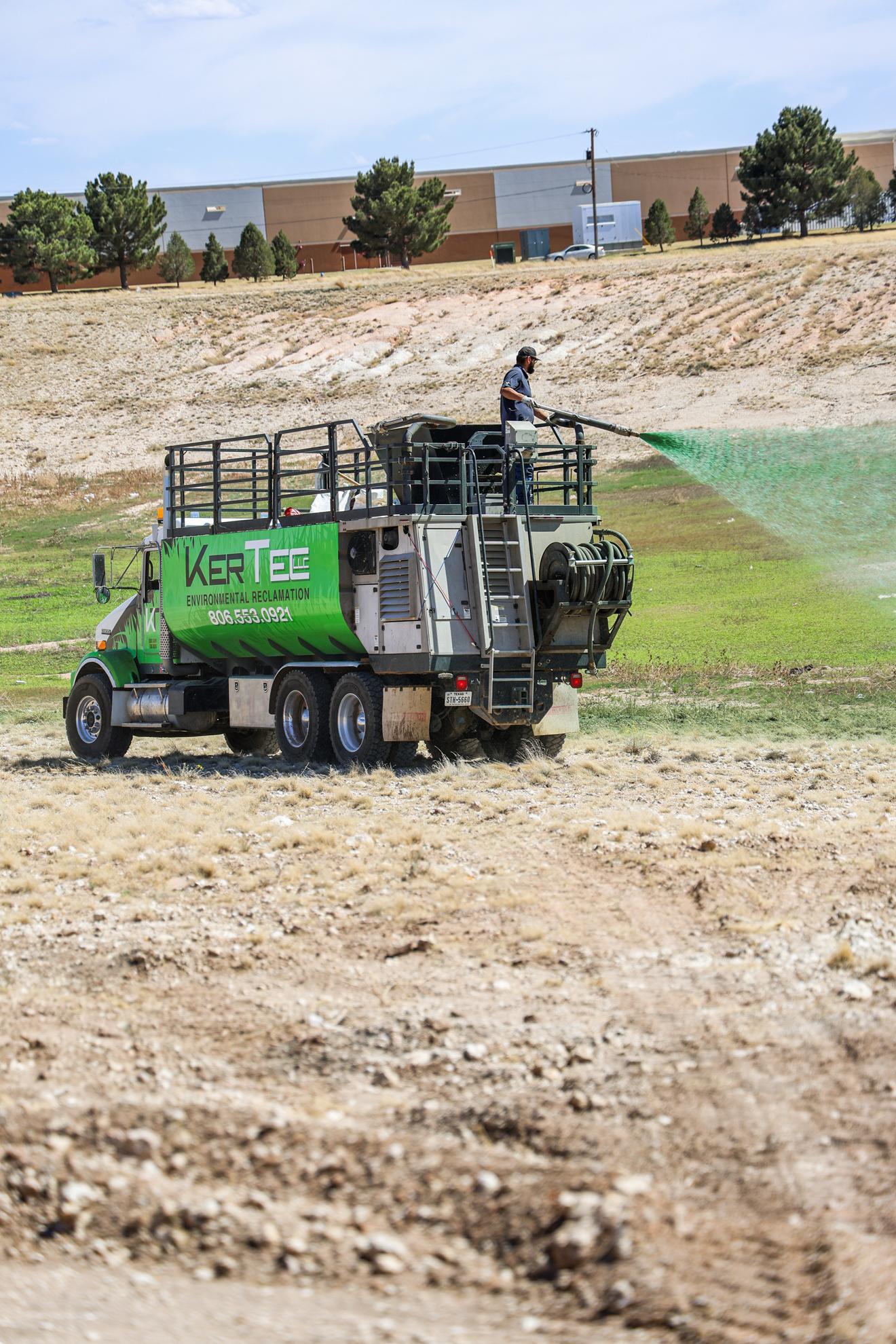
The right seeding method depends on the acreage, terrain, soil conditions, and project specifications. Depending on the site, seed may be applied through hydroseeding, drill seeding, broadcast seeding, or other project-specific methods.
03
Erosion Protection During Establishment
Newly seeded areas may need additional protection while vegetation is developing. Hydromulch, tackifiers, erosion control blankets, and other temporary stabilization measures can help protect exposed soil and reduce sediment movement until plant cover is established.
Get a Revegetation Management Plan for Your Property
The KerTec Difference
Why contractors work with KerTec.
Responsive to changing site conditions
Erosion control adjusted as grading progresses and site conditions shift throughout the project.
Inspection-ready documentation
Clear SWPPP records that hold up to regulatory inspection and reduce the risk of violations.
Coordinated with your schedule
KerTec works around active grading and construction crews instead of creating bottlenecks.
Stabilization through final closeout
Support from initial erosion control through final seeding, so the site is fully stabilized at project completion.